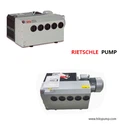
As a supplier of XD series rotary vane pumps, I've delved deep into the factors that affect the performance of these pumps. One crucial yet often overlooked factor is humidity. In this blog, I'll explore the influence of humidity on the lubrication of the XD series rotary vane pump, shedding light on how it impacts the pump's operation, longevity, and overall efficiency.
Understanding the Basics of XD Series Rotary Vane Pumps and Lubrication
Before we dive into the effects of humidity, let's quickly recap how XD series rotary vane pumps work and why lubrication is so important. These pumps are positive displacement pumps that use rotating vanes to create a vacuum. The vanes slide in and out of a rotor, which is eccentrically mounted in a cylindrical housing. As the rotor spins, the vanes create chambers of varying volume, allowing the pump to draw in and expel gas.
Lubrication plays a vital role in the operation of the XD series rotary vane pump. It serves multiple purposes: reducing friction between the moving parts, preventing wear and tear, sealing the gaps between the vanes and the housing to maintain vacuum efficiency, and dissipating heat generated during operation. A high - quality lubricant ensures smooth and reliable pump performance.
How Humidity Affects Lubrication
1. Water Contamination
Humidity in the environment can lead to water contamination in the pump's lubricant. When the air contains a significant amount of moisture, some of this water can enter the pump along with the gas being pumped. As the water accumulates in the lubricant, it can cause several problems.
Firstly, water can emulsify with the lubricant, changing its physical properties. The emulsified lubricant may lose its ability to form a proper lubricating film between the moving parts, increasing friction and wear. This can lead to premature failure of components such as the vanes, rotor, and housing.
Secondly, water can cause corrosion. The metal parts of the XD series rotary vane pump are susceptible to corrosion when exposed to water. Corrosion can weaken the structural integrity of the parts, resulting in leaks and reduced pump efficiency. For example, if the housing corrodes, it may no longer provide a proper seal, leading to a loss of vacuum.
2. Viscosity Changes
The presence of water in the lubricant can also affect its viscosity. Water has a much lower viscosity than most lubricants. When water mixes with the lubricant, it dilutes the lubricant, reducing its viscosity. This change in viscosity can have a significant impact on the pump's performance.
A lower - viscosity lubricant may not be able to provide sufficient lubrication between the moving parts. The vanes may not slide smoothly in the rotor slots, and the seal between the vanes and the housing may be compromised. This can lead to increased leakage of gas, reducing the pump's vacuum - generating capacity.
3. Chemical Reactions
Humidity can also trigger chemical reactions within the lubricant. Water can react with certain additives in the lubricant, causing them to break down. These additives are essential for maintaining the performance of the lubricant, such as anti - wear agents and antioxidants.
When the additives break down, the lubricant loses its ability to protect the pump's components. For example, the anti - wear additives help reduce the friction between the vanes and the housing during operation. Without these additives, the wear rate of these parts can increase significantly, shortening the pump's lifespan.
Practical Implications for XD Series Rotary Vane Pump Users
1. Reduced Pump Efficiency
The combined effects of water contamination, viscosity changes, and chemical reactions can lead to a significant reduction in the pump's efficiency. The pump may take longer to reach the desired vacuum level, or it may not be able to maintain a stable vacuum. This can be a major issue in applications where a consistent and reliable vacuum is required, such as in laboratories, semiconductor manufacturing, and vacuum packaging.
2. Increased Maintenance Costs
Pumps operating in high - humidity environments are likely to experience more frequent breakdowns due to the accelerated wear and corrosion caused by the humid conditions. This means that users will have to spend more on maintenance, including lubricant replacement, component repair or replacement, and downtime for maintenance.
3. Shorter Pump Lifespan
The damage caused by humidity to the pump's lubricant and components can ultimately lead to a shorter lifespan of the XD series rotary vane pump. Instead of enjoying several years of reliable service, users may find themselves having to replace the pump earlier than expected, which can be a significant financial burden.
Mitigating the Effects of Humidity
1. Proper Installation and Location
When installing the XD series rotary vane pump, it's important to choose a location with low humidity. Avoid areas prone to moisture, such as basements or near water sources. If possible, install the pump in a climate - controlled environment to maintain stable humidity levels.
2. Use of Desiccant Filters
Desiccant filters can be installed in the inlet of the pump to remove moisture from the gas being pumped. These filters contain a desiccant material that absorbs water vapor, preventing it from entering the pump and contaminating the lubricant.

3. Regular Lubricant Testing and Replacement
Regularly testing the lubricant for water content and other contaminants is essential. If the water content exceeds a certain level, the lubricant should be replaced promptly. By following a strict lubricant replacement schedule, users can ensure that the pump is always operating with clean and effective lubricant.
4. Seal Maintenance
Maintaining the seals of the pump is crucial to prevent the entry of moisture. Check the seals regularly for signs of wear or damage and replace them as needed. A proper seal helps keep the pump chamber dry and prevents water from reaching the lubricant.
XD Series Rotary Vane Pump: A Reliable Choice
Our XD series rotary vane pumps are designed to provide reliable performance even in challenging environments. While humidity can pose challenges to the lubrication and overall operation of the pump, the proper maintenance and preventive measures can minimize these effects.
If you're looking for a high - quality rotary vane pump that can be a great alternative to Busch pumps, consider our XD Series Rotary Vane Vacuum Pump Replacing Busch Pump. Our pumps are built with precision and are backed by our commitment to quality and customer service.
Conclusion and Call to Action
In conclusion, humidity can have a significant impact on the lubrication of the XD series rotary vane pump, affecting its efficiency, lifespan, and maintenance costs. However, with proper understanding and proactive measures, these effects can be mitigated.
If you're interested in learning more about our XD series rotary vane pumps or have any questions regarding humidity and pump performance, feel free to reach out. We're here to assist you in making the right choice for your vacuum - pumping needs and can provide expert advice on pump selection, installation, and maintenance. Contact us today to start a discussion about your requirements and how our pumps can meet your specific needs.
References
- Schmidt, J. (2018). Handbook of Vacuum Technology. Wiley - VCH.
- Anthony, R. M. (2020). Principles of Vacuum Pumps. Elsevier.