As a trusted supplier of rotary vane vacuum pumps, I understand the significance of having a clear understanding of the operating parameters of these essential devices. Rotary vane vacuum pumps are widely used in various industries for applications that require creating and maintaining a vacuum environment. In this blog, I will delve into the key operating parameters of a rotary vane vacuum pump to help you make informed decisions when it comes to selecting and operating these pumps.
Ultimate Vacuum
One of the most critical operating parameters of a rotary vane vacuum pump is the ultimate vacuum. The ultimate vacuum refers to the lowest pressure that the pump can achieve under ideal conditions. It is typically measured in units of pressure, such as millimeters of mercury (mmHg), pascals (Pa), or torr. A lower ultimate vacuum indicates a more powerful pump that can create a deeper vacuum.

The ultimate vacuum of a rotary vane vacuum pump is influenced by several factors, including the design of the pump, the quality of the vanes and seals, and the type of lubricant used. Pumps with advanced designs and high - quality components are generally capable of achieving lower ultimate vacuums. For example, some high - performance rotary vane vacuum pumps can reach ultimate vacuums in the range of 10⁻² to 10⁻³ torr.
When selecting a rotary vane vacuum pump, it is essential to consider the required ultimate vacuum for your specific application. If your process demands a very deep vacuum, you will need to choose a pump with a low ultimate vacuum rating. However, keep in mind that pumps with lower ultimate vacuums may also be more expensive and require more maintenance.
Pumping Speed
Pumping speed is another vital operating parameter of a rotary vane vacuum pump. It refers to the volume of gas that the pump can remove from a chamber per unit of time. The pumping speed is typically measured in liters per second (l/s) or cubic feet per minute (cfm).
The pumping speed of a rotary vane vacuum pump is not constant and varies with the pressure in the vacuum chamber. At higher pressures, the pumping speed is relatively high, as the pump can easily remove large volumes of gas. As the pressure in the chamber decreases, the pumping speed also decreases. This is because the gas molecules become more spread out, and it becomes more challenging for the pump to capture and remove them.
The pumping speed curve of a rotary vane vacuum pump is an important characteristic to consider. It shows how the pumping speed changes with pressure and can help you determine whether the pump is suitable for your application. For instance, if you need to quickly evacuate a large chamber, you will need a pump with a high pumping speed at the initial stage of the evacuation process. Some pumps are designed to have a relatively high pumping speed over a wide range of pressures, making them more versatile for different applications.
Temperature
Temperature plays a significant role in the operation of a rotary vane vacuum pump. The pump generates heat during its operation due to friction between the vanes and the pump chamber walls, as well as compression of the gas. If the temperature of the pump rises too high, it can cause several problems, such as reduced pump performance, premature wear of components, and even damage to the pump.
Most rotary vane vacuum pumps are designed to operate within a specific temperature range. The operating temperature is usually specified by the manufacturer and should be carefully monitored. To control the temperature, many pumps are equipped with cooling systems. These can include air - cooled or water - cooled mechanisms. Air - cooled pumps use fins on the pump body to dissipate heat into the surrounding air, while water - cooled pumps circulate water through a cooling jacket to remove heat.
It is important to ensure that the ambient temperature in the area where the pump is installed is within the recommended range. High ambient temperatures can make it more difficult for the pump to dissipate heat, leading to overheating. Additionally, proper ventilation around the pump is essential to allow for efficient heat transfer.
Gas Load
The gas load is the amount of gas that the rotary vane vacuum pump needs to remove from the vacuum chamber. It is an important operating parameter that affects the performance and lifespan of the pump. The gas load can come from various sources, such as outgassing from the chamber walls, leaks in the system, and the process gas generated during the operation.
If the gas load is too high for the pump's capacity, the pump may not be able to achieve the desired ultimate vacuum, and its performance may be severely degraded. In some cases, a high gas load can also cause the pump to overheat and increase the wear on its components.
To handle different gas loads, it may be necessary to select a pump with an appropriate pumping speed and capacity. In some applications, multiple pumps may be used in parallel or series to increase the overall pumping capacity. Additionally, it is important to minimize the gas load by reducing leaks in the system, using materials with low outgassing rates, and properly pre - evacuating the chamber before starting the process.
Oil Quality and Quantity
Rotary vane vacuum pumps typically use oil for lubrication, sealing, and cooling. The quality and quantity of the oil are crucial operating parameters that can significantly affect the pump's performance.
The oil used in a rotary vane vacuum pump should have the right viscosity and chemical properties. A high - quality oil can provide better lubrication, reduce friction between the vanes and the pump chamber, and prevent corrosion. It should also have good resistance to oxidation and thermal degradation to ensure long - term performance.
The oil level in the pump must be maintained within the recommended range. Too little oil can lead to insufficient lubrication and sealing, resulting in reduced pump performance and increased wear. On the other hand, too much oil can cause foaming and may lead to oil carry - over into the vacuum system, which can contaminate the process.
Regular oil changes are necessary to keep the pump operating efficiently. The frequency of oil changes depends on factors such as the operating conditions, the type of gas being pumped, and the quality of the oil. It is important to follow the manufacturer's recommendations for oil change intervals.
Noise Level
The noise level of a rotary vane vacuum pump is also an important consideration, especially in environments where noise can be a nuisance or a safety concern. The noise is mainly generated by the mechanical movement of the pump, such as the rotation of the vanes and the compression of the gas.
Manufacturers are constantly working to reduce the noise level of their pumps through improved design and the use of noise - reducing materials. Some pumps are equipped with sound - insulating enclosures to further minimize the noise. When choosing a rotary vane vacuum pump, it is important to consider the acceptable noise level for your application and select a pump that meets your requirements.
Rietschle Vaccum Pump VC Pump
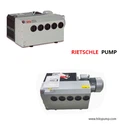
If you are in the market for a high - quality rotary vane vacuum pump, I would like to introduce you to the Rietschle Vaccum Pump VC Pump. This pump is known for its excellent performance, reliability, and energy efficiency. It offers a wide range of ultimate vacuums and pumping speeds to meet the diverse needs of different applications. With its advanced design and high - quality components, the Rietschle Vaccum Pump VC Pump can provide a stable and efficient vacuum environment for your processes.
Contact for Purchase and Negotiation
I hope this blog has provided you with a comprehensive understanding of the operating parameters of a rotary vane vacuum pump. If you are interested in purchasing a rotary vane vacuum pump or have any questions about our products, please feel free to contact us. We have a team of experienced professionals who can assist you in selecting the right pump for your specific application and guide you through the purchase process. Let's work together to find the best vacuum solution for your business.
References
- "Vacuum Technology Handbook" by O'Hanlon, John F.
- Manufacturer's documentation for rotary vane vacuum pumps.